


Travelling to shows and staying away from home can be exciting, but it also brings several changes that can impact your horse’s digestion, appetite and hydration. With a little planning around feeding, you can help your horse stay comfortable, healthy and ready to perform. See our feeding tips from nutrition expert Hannah Williams PGCE, MSc, BSc (Hons), BHS ISM, ANutr, FHEA from Bishop Burton College.
Why travel can affect the gut
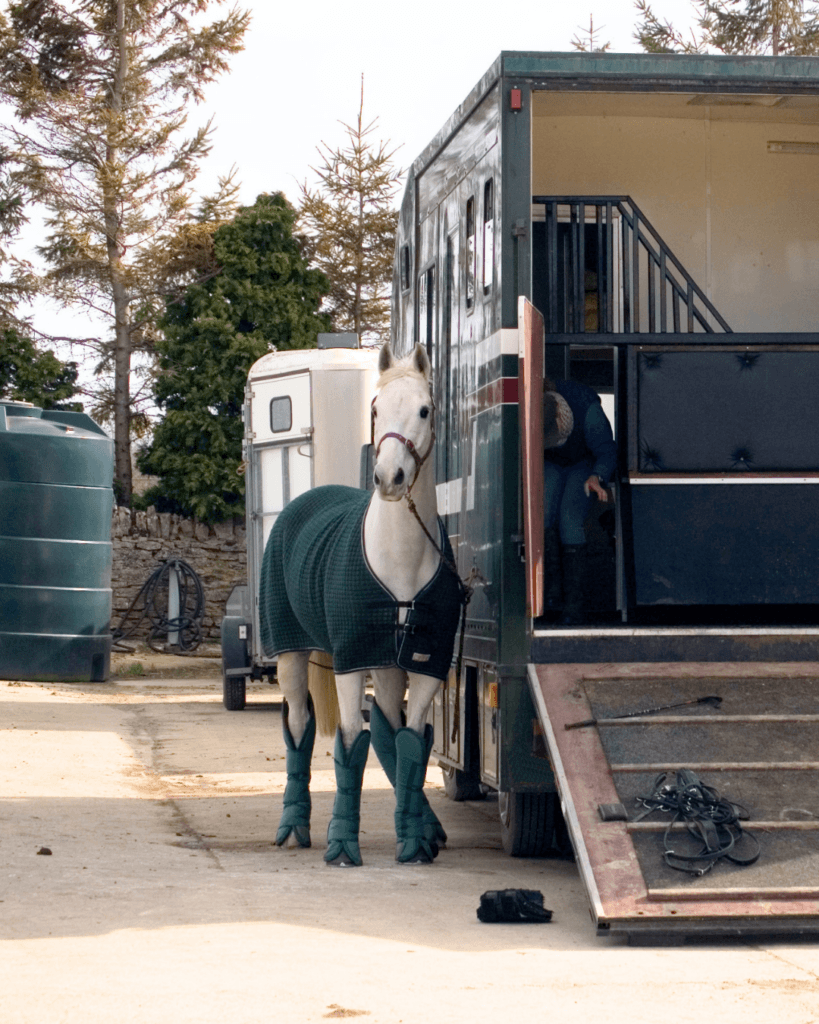
Scientific research shows that transport is a physical and physiological stress for horses. During travel, markers such as heart rate and stress hormones increase, and this can have a direct effect on the body.
One of the key findings from recent research is that intestinal movement can slow down after transport, meaning the digestive system is not working at its normal pace.
This slowdown, combined with changes in routine and environment, is one reason why travelling has been linked with an increased risk of digestive upset.
Keeping the gut working as it should
The horse’s digestive system depends on a steady intake of fibre. Horses are designed to digest forage through fermentation in the large intestine, supported by a delicate balance of microbes.
Research shows that forage-based diets help maintain:
- Stable digestive function
- A healthy microbial balance
- Overall gut health and performance
When horses travel or stay away from home, keeping forage intake as consistent as possible is one of the most effective ways to support this system. Our handy bales allow you to continue feeding the same variety of haylage when travelling, as you do at home.
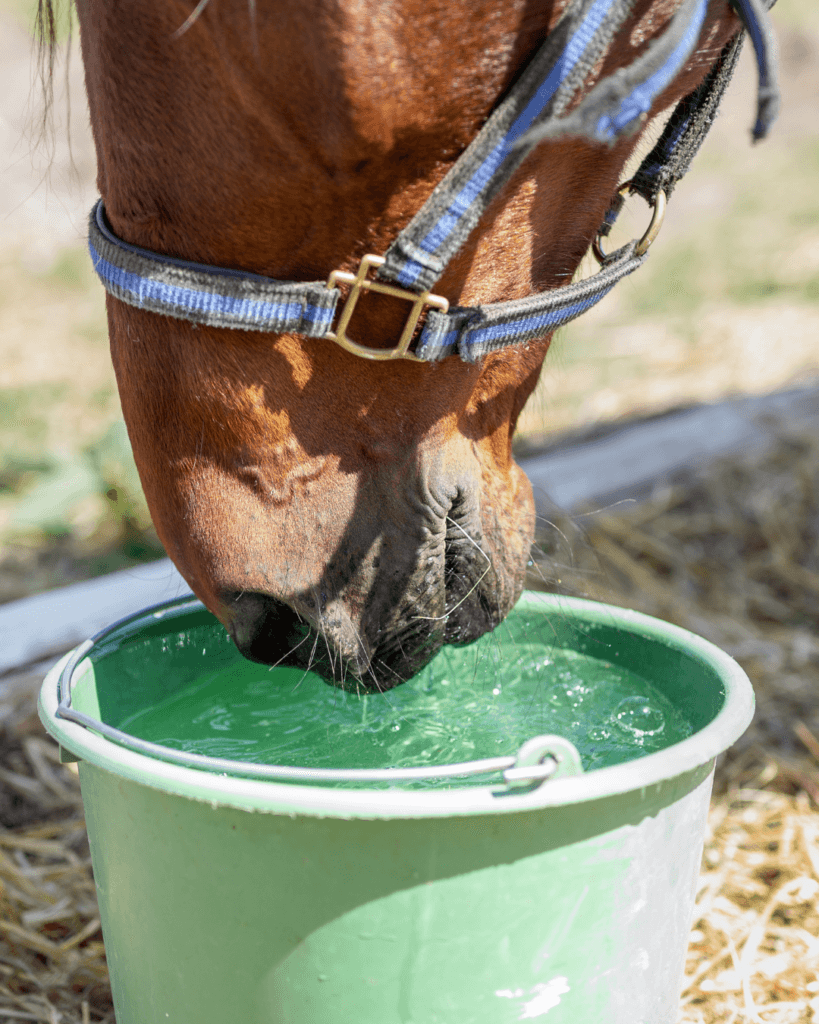
Hydration - more than just water buckets
Hydration is a major consideration during travel and competitions. Studies show that dehydration can occur during transport, even over relatively short periods, especially if horses are stressed or sweating.
Research in competition horses also shows that transport and overnight stays can alter electrolyte balance and hydration status before performance even begins.
What’s often less recognised is the role of the digestive system in hydration. The large intestine acts as a fluid reservoir, and the fibre in forage helps retain water within the gut.
This means maintaining fibre intake is essential not just for digestion, but also for hydration.
Using forage to support fluid balance
Not all forages are the same when it comes to hydration. Research shows that the type and maturity of forage can influence how much water is retained in the digestive system.
Higher-moisture forages and early harvested fibre sources, such as our Ryegrass haylage, are associated with improved fluid balance in horses. If you need a lower-sugar option, our High Fibre, Traditional Parkland Meadow and Meadow Grass varieties typically have a moisture content of 20-35%
In practical terms, this can be particularly useful when horses are reluctant to drink as much as usual when away from home.

Dust, stabling and respiratory health
Another factor to consider at shows is the stable environment. Horses are often housed in more enclosed or unfamiliar conditions, which can increase their exposure to dust.
Studies show that dust exposure is significantly higher when horses are fed dry hay compared with haylage, and this can contribute to airway inflammation.
Feeding dust-free forage has been shown to reduce this exposure and support respiratory health.
Key things to keep in mind
To support your horse when travelling or staying away:
- Keep feeding as consistent as possible
- Maintain regular forage intake
- Monitor hydration closely
- Avoid sudden dietary changes
- Consider forage type, including moisture content and dust levels
Small, consistent management choices can make a big difference to how well horses cope with the challenges of travel and competition.
Where forage choice can help
When horses are away at shows, choosing the right forage can support several areas at once - digestion, hydration and respiratory health.
For example, forage options that:
- Provide consistent fibre intake
- Contain higher natural moisture
- Produce less dust in the stable
may help support horses during periods when routine, environment and wate