 Celebrating 30 Years of Baillie Haylage
April 2026
Fertiliser Applications Completed:
After carefully working around the somewhat unpredictable weather. We have completed our fertiliser applications for the season. These applications will help keep our fields nutrient-rich, providing the ideal foundation for a healthy and productive haylage crop.
Grass Update
With first cut fast approaching, our team has been keeping a close eye on grass growth. Thankfully, the combination of fertiliser applications and the small amount of rain we received afterwards appears to be doing the trick.
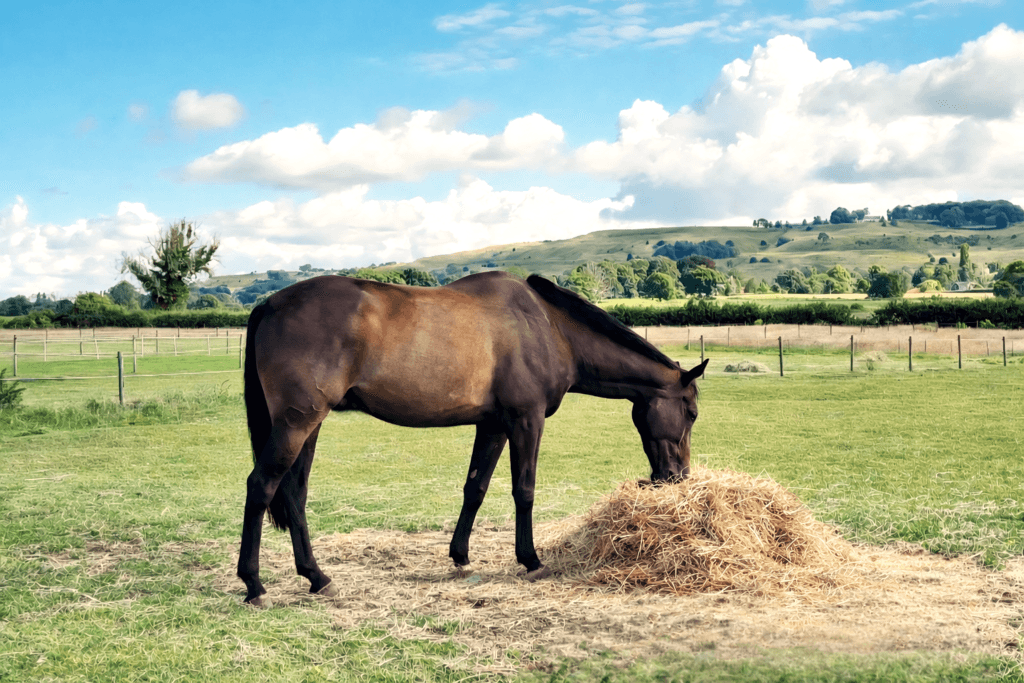
On the grazing side, there has been a noticeable increase in orders as the warmer weather begins to take effect. Many horse owners are still relying on additional forage sources until the rain returns and grazing fields recover with fresh green grass.
Our 20kg handy bales are ideal in these conditions, especially for owners with one or two horses. We also have a fantastic network of stockists across the UK — you can find your nearest stockist here: https://www.bailliehaylage.co.uk/stockists/
Turf Season Off to a Flyer
We’ve been delighted to see several of our flat racehorse trainers start the turf season strongly. With plenty of winners and placings already on the board. Don’t forget to follow our Facebook page to keep up with how our customers are performing throughout the season.